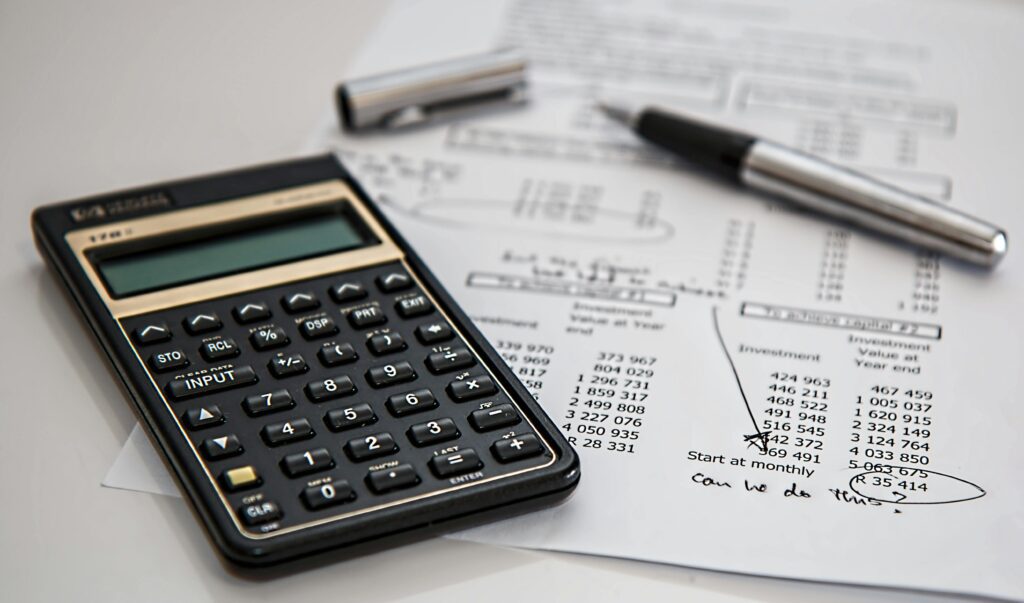


When running a small but thriving business, it can be easy to get caught up in day-to-day activities such as performing your craft, taking care of your clientele, handling admin tasks, and generally working in your business.
Sometimes, making sure all invoices have been paid on time and keeping tabs on your business’s general financial health can take a back seat. It might seem that as long as there’s money in the bank, all must be well. However, a business bank balance doesn’t tell the whole story; there are other factors to take into account.
With this in mind, here are 3 things you can do to keep on top of cash flow and ensure invoices are paid on time.
1. Understand business financial statements
First, you don’t need to be a professional accountant or bookkeeper to be able to read your business’s financial statements. In addition to receiving professional advice from such experts, a cursory understanding of what each statement covers will help you better assess your business’s financial position and identify areas for improvement.
The Balance Sheet provides a picture of the strength of your business, its assets, liabilities and equity – it’s often the document potential investors and other interested parties will look at first. The Profit and Loss Statement will tell you if your business made a profit or lost money over a set period. The Cash Flow Statement, on the other hand, shows the actual cash coming in and going out of your business.
Understanding your business’s financial statements helps you spot trends. For example, you’ll be able to identify whether your costs and overheads are increasing or if you need to raise prices. Just because you are bringing in money or selling lots of product, doesn’t necessarily mean you are making a profit, because your expenses could be eating into that profit. On the other hand, your business could be making a profit on paper, but you haven’t actually got cash on hand at the bank to pay vendors.
Understanding your financial statements and what they are telling you removes the guesswork so you can take action where needed.
2. Review regularly
It makes sense to review your business financials regularly to keep on top of things and ensure your business is on track. By doing this, you’ll be able to spot potential problems such as invoices not being paid on time, you can make decisions early, avoid ‘surprises’ and, where necessary, adjust your sail (or sales!). Monthly reports help you plan for the short term and prepare for the long term, and avoid preventable problems such as not having enough cash on hand to pay suppliers because you are waiting on a receivable, such as an unpaid invoice that’s been forgotten about
With Invoice Ninja, a leading FREE invoicing software, in addition to its many small business and freelancer-friendly features, you can generate and email reports on a regular schedule.
For example, at the end of the month, you may want to send yourself a sales report or an aged receivables report. While it’s easy to generate a report manually, you can configure the system to email you reports on a regular schedule. Watch our short video here to take you through the setup. Try Invoice Ninja for free here.
There’s nothing to stop you reviewing your financial position more frequently, either, such as weekly or daily.
3. Follow up
Invoices can be paid late for various reasons, but there are things you can do to mitigate late payment and improve cash flow. Reminding the payee before payment is due and getting confirmation from them that the invoice will be paid on time is one of them.
Depending on the client, picking up the phone and making a call just to confirm payment will be made when due can be effective and a good way to build rapport. However, this could be time-consuming if you have several clients or lots of customers.
With Invoice Ninja, you can receive notifications when a client views and/or pays their invoice or if a client payment fails, keeping you in the loop in real time.
Furthermore, the Invoice Ninja Pro Plan allows you to create custom email reminders based on the invoice date or invoice due date. You can define date parameters to remind your clients before or after invoices are due to ensure you get paid. Set ‘First, Second, Third’ or ‘Endless’ reminders to ensure invoices are not overlooked and you get paid faster.
Knowing you have a reminder system in place to prevent late payment will provide you with peace of mind and help improve cash flow.